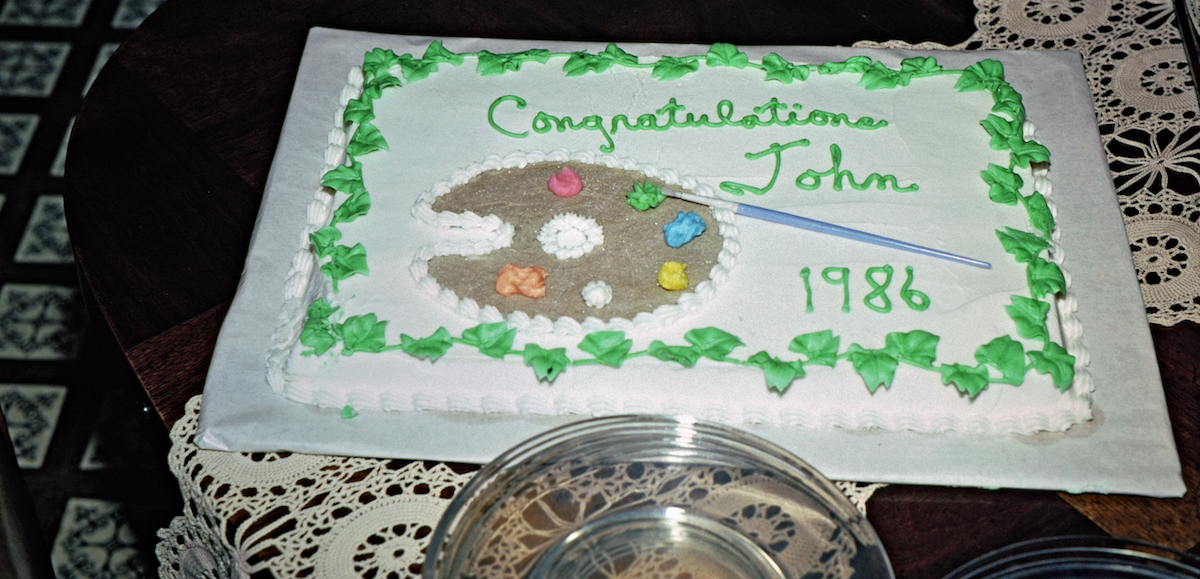
In an earlier post I discussed the board games of my 70’s childhood. That one was popular, so here’s an essay about the games that came after.
One evening in 1977, my dad mentioned that some of the kids at the college where he taught were playing a strange new game that was played with pencil and paper and a variety of eccentric dice. Also sometimes lead figurines, but how they fit into the game did was unclear. He was talking, of course, about Dungeons & Dragons, which at the time was only three years old and very much a niche activity for the kind of young man who owned several Frank Frazetta posters. My older brother Rob, who had been obsessed with fantasy since my father read us the Lord of the Rings, wanted to try this thing out, so the next Saturday my dad drove us out to the Hobby Models store in Peoria, Illinois.
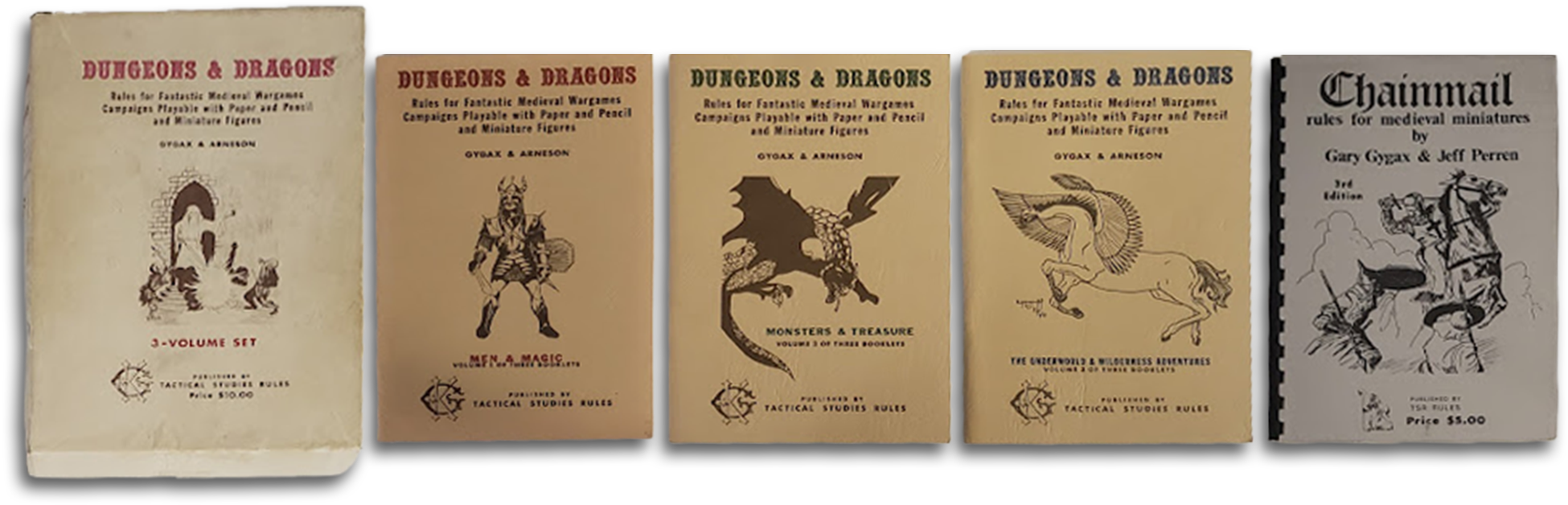
The original edition of Dungeons & Dragons (1974) and its predecessor/supplement, Chainmail (1968). Rob bought all of these and if he hadn’t worn them to shreds they would now be worth approximately 100 bajillion dollars.
Although I didn’t know it at the time, the Midwest was a hotbed of indie game production, and the birthplace of role playing games. Dungeons & Dragons was the product of game publisher Tactical Studies Rules, and TSR was situated in Lake Geneva, Wisconsin; the science fiction RPG Traveler, which was an early competitor to D & D, was published by Game Designers’ Workshop, located in Normal, Illinois. Even before he co-created Dungeons & Dragons, designer Gary Gygax had established the annual game convention that would become Gen Con (named after Lake Geneva, its original host city).
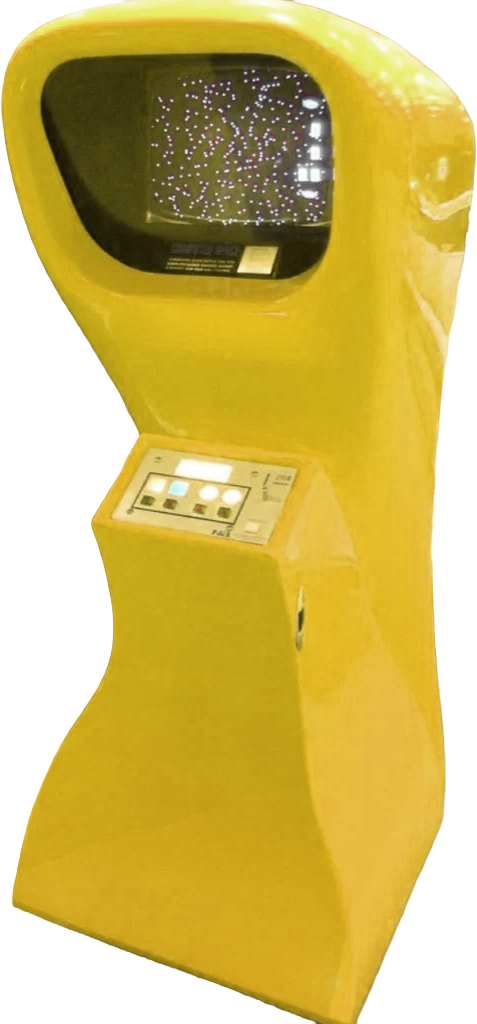
Computer Space: groovier than it had a right to be.
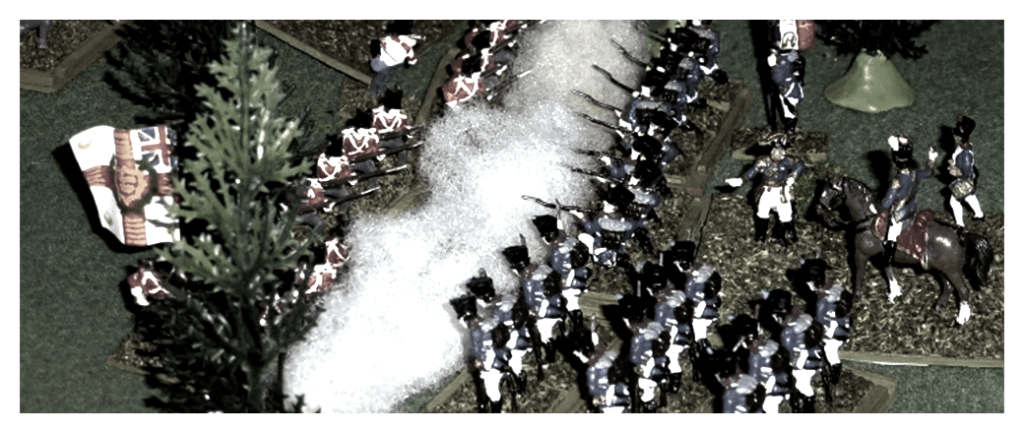
The first time I entered the Hobby Models store was as much a mind-expanding experience as if I had wandered into a head shop on Ocean Front Walk1. We may have come in search of Dungeons & Dragons, but the inventory ranged from model rockets to balsa wood and tissue kits to an enormous yellow Computer Space cabinet, the first coin-op video game (1971). Roughly a third of the floor space was dedicated to Napoleonic miniature war games. A small group of scraggly men in torn jeans and stained tee-shirts were hunched over a miniature battle ground made of green felt stuck on a sheet of plywood, supported by a pair of saw horses. On this battleground were hundreds of painted metal figures of infantry, calvary, and artillery. Players made their moves by measuring inches with a ruler; once a unit had fired in a turn, tufts of cotton smoke were placed as markers until the next turn, usually an hour or two later at the rate they played.
Waterloo: I was defeated, you won the war.
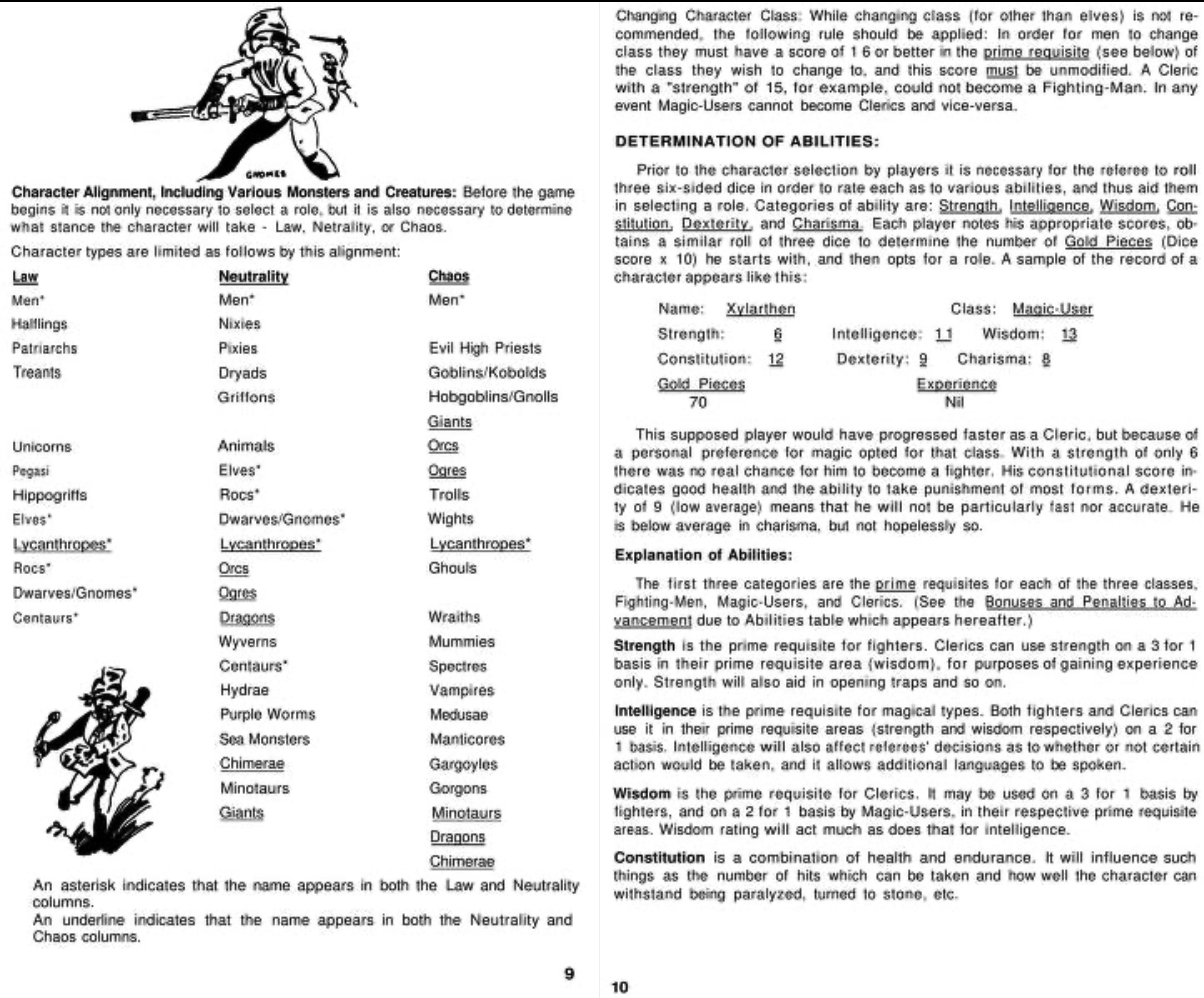
The front of the store was where the indy games were, and here Rob was able to procure a copy of Dungeons & Dragons. For anyone who has not seen the original booklets this game came in: the rules were next to indecipherable. There were only three ill-defined character classes and the text kept referring to an earlier game by Gygax, Chainmail, which was a set of rules for miniature play. The set actually told players they would need a copy of Chainmail, which seemed to me (and still seems to me today) like a cheap move by TSR.
In a way, the original game of D&D was a set of story-based interludes to spice up your figurine play, and it was only after a series of four supplementary books that the game evolved into its recognizable stand-alone form that charmed nerds across the nation and terrified their parents, who by the early 1980s believed the pastime to be demonic.
Concerned mothers are warned of the inevitable progression from playing D & D to worshiping Satan in the Jack Chick tract Dark Dungeons (1984).
Rob was 13 when he began to play role-playing games with friends and I was 10. I wish I could say that I took to the game as well, but 1) I found the constant dice rolls took me out of the fantasy, and 2) Rob didn’t want his dumb brother hanging around and harshing his game night vibes. But while I wasn’t much of a player, I did find the rule books fascinating, and even more so the many odd games that emerged in Dungeons and Dragons‘ wake. There was Tunnels & Trolls, whose name was a bit too on-the-nose as a clone. There was Chivalry & Sorcery, whose rules were maybe 20 times more complex and were printed in blotchy 9-point text that looked as if it had been photocopied a dozen times. There was Bunnies & Burrows, in which players played as rabbits à la Watership Down.
But if RPGs were not for me, Hobby Models also was a doorway to the a fascinating world of small-press board games, and particularly microgames, that I did come to love. But since this essay is already longer than I planned, I will get to those next post. To be continued.
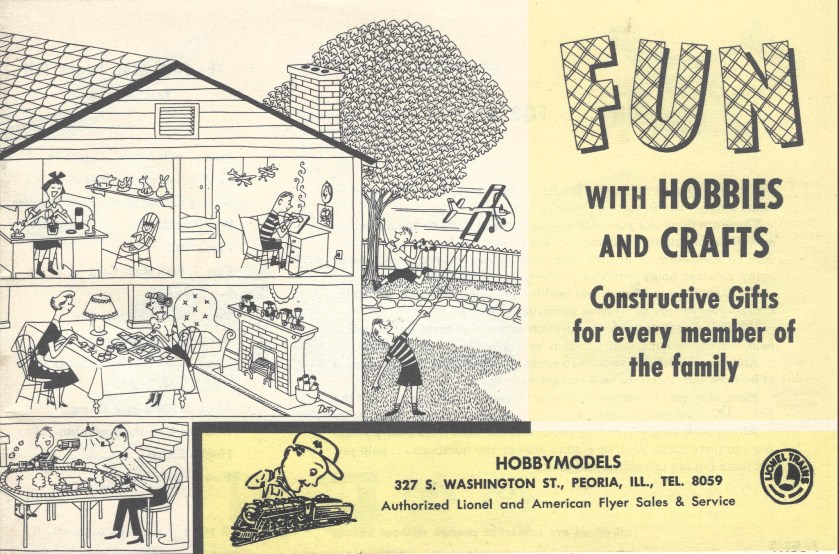
I have searched in vain for interior photographs of this store from the late 70s or early 80s but I guess not everything has made it into the digital era. I did, however, find this charming advertisement from (I’m guessing) the 1960s: ↩︎
My last essay was a critique of nostalgia, and so to mix things up this post will be a discussion of something from my youth for which I have a great deal of affection, and that is Parker Brothers graphic design from the 1970s. This is admittedly a niche interest, even for me, but I hope you’ll be indulgent. Perhaps you, too, will come to love these beautiful and strange designs.
From around 1970 to 1980, the Salem, Massachusetts-based Parker Brothers (now a brand of Hasbro) published games whose innovative and fanciful designs drew inspiration from Pop Art, Op Art, and Madison Avenue advertising. They had boxes, boards, and components that reflected the most current techniques of printing and plastics molding. They were witty, silly, and weird. The other main players in American games at the time were Milton-Bradley, whose art tended towards cartoony, corny, and flat designs, and Ideal, whose games (like Mousetrap) were mostly showcases for their novel plastic components.
Parker Brothers design stood out for its style and sophistication, and even as a young nerd I could see that it was special. In fact, I believe they were my introduction, at the age of seven, to the whole concept of graphic design. This isn’t to say that the games were good in the sense of being fun or engaging to play; a lot of them were re-skinned versions of the basic race-around-the-board type that had been popular since the Uncle Wiggly Game. But they looked amazing and they were different.
There’s not a lot of sources of information about the company, but there is one very interesting book, The Game Makers : the Story of Parker Brothers from Tiddledy Winks to Trivial Pursuit, which was written by Philip Orbanes in 2004 and published by Harvard Business School Press. From this book I learned that starting with its founding in 1883, Parker Brothers was a family owned operation, and its ethos was decidedly conservative. It produced child-friendly tabletop games that it purchased from independent creators, with little to no research and development and with a small factory that printed simple boards and boxes and made components from simple materials.
Along the way they picked up some major properties, like Monopoly and Cluedo, which was rebranded in America as Clue, but they didn’t develop these in-house and they didn’t really have a marketing strategy of any kind. But all that changed in 1968 when the company was sold to General Mills—yes, that General Mills, of Cheerios fame. After the departure of one president who wanted to cash out and retire, and the death of another who died of lung cancer, executive vice president Ranny Barton took the helm, and he immediately replaced the head of manufacturing and the head of sales. Orbanes writes:
In one fell swoop, Ranny Barton had changed Parker Brothers from a family-run, conservative operation to one now seeking high-flying M.B.A;s and marketing wizards in a quest to again double sales. Ranny […] would oversee a group of executives who were experts (165-166).
For the first time, the company had project leaders and marketing staff (largely on loan from General Mills). They brought in professionals in design, production, and printing. They bought a new state-of-the art press capable of much finer detail and vibrant colors, and they switched to making their components out of injection molded plastic. They were out to compete, and that meant to advertise on the new medium of television, and to be distinctive.
Okay, that’s more than enough backstory. Let’s look at some of the games from this time.
Waterworks (1972)
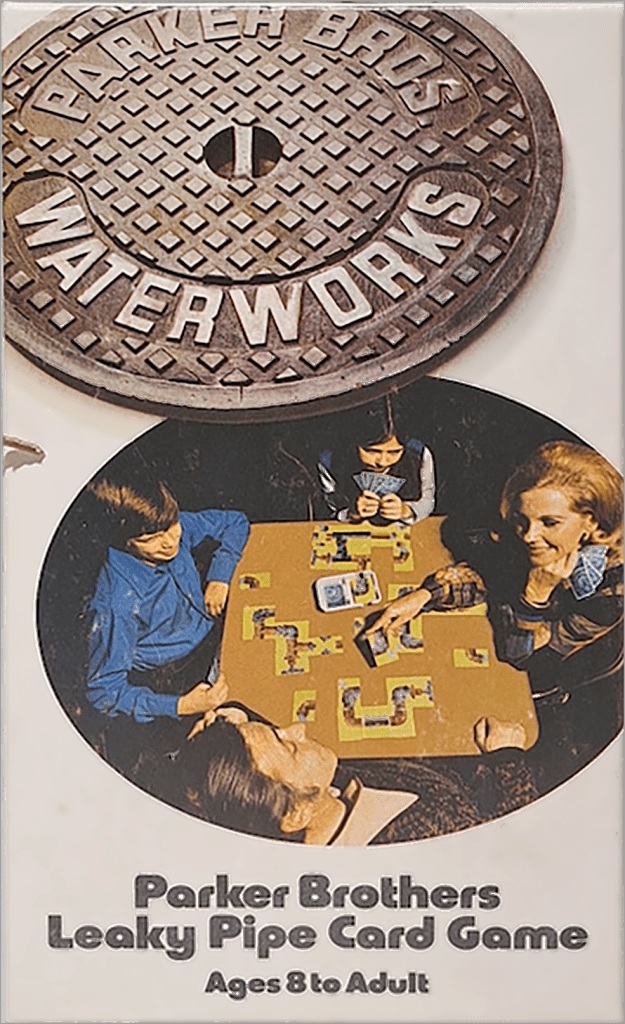
I remember coming across a used copy of this game at a school tag sale when I was in first grade. It looked like nothing else I’d ever seen. The cover art was sparse and focused on its photography. The text was set in Blippo, which seemed shockingly futuristic (it was actually designed in 1969). Most of all, the diegetic title on the manhole cover felt absolutely tangible. I splurged on the 30-cent purchase (my allowance at the time was a quarter).
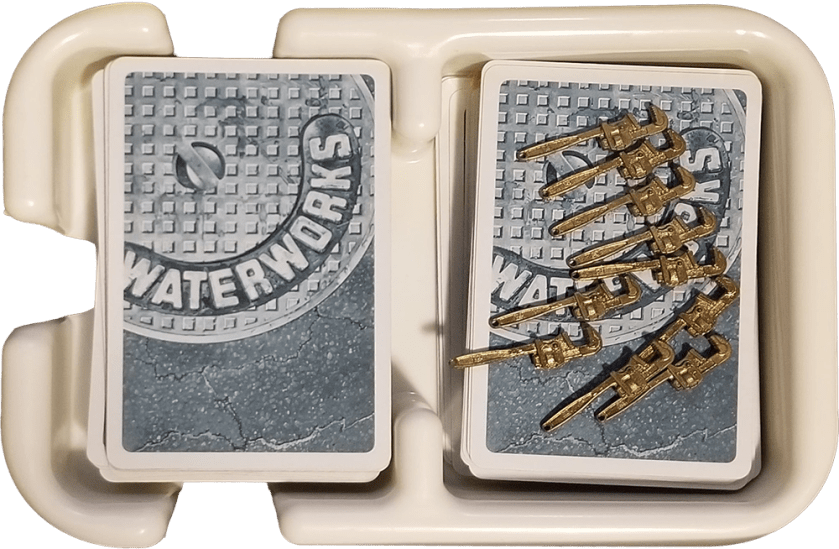
Inside, the cards were wonderful, featuring detailed, photorealistic depictions of pipe fittings, handles, and spouts. They came in a draw/discard bathtub. And there were tiny brass monkey wrenches (perhaps using the existing Clue wrench molds). Everything was designed to be tactile and engaging.
Waterworks was designed by Mattiene Moustakas, although whether she designed the gameplay and components, or illustrated the cards, or both, is unclear. She certainly has a crazy resume. As for the play, a modern gamer will recognize it as a tile placing game such as Carcassonne; one chained one’s cards together to make a line from handle to spout, while playing pipe junctions and leaks on the opponent’s spread. It was…ok. It was certainly different from the card games I’d played, which were basically War and Solitaire1.
The Inventors (1974)
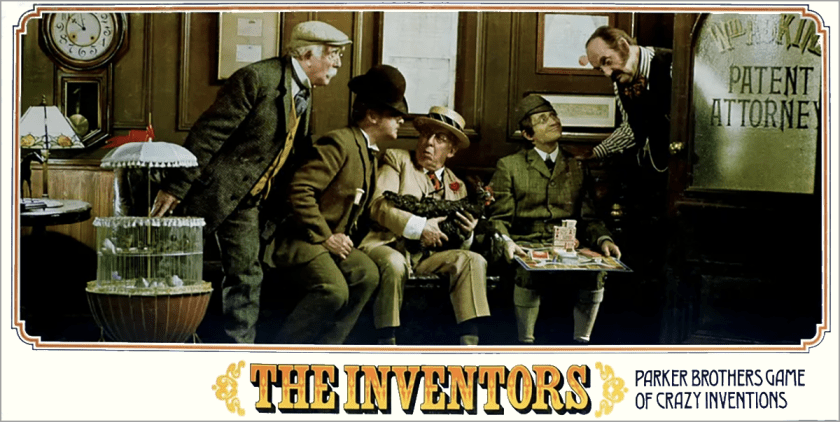
I’ve mentioned before that the 1970s had a strange retro fad for “old-timey” things, by which I mean Americana from about 1890 to 1905. I am at a loss to explain this. It was a time of serious social problems, from race relations to stagflation. Perhaps there was a longing for a mythical past. The counterculture had drawn heavily on Art Nouveau in poster design, and maybe this trend was breaking into the wider culture. In any case, The Inventors was themed around patenting odd Victorian-looking inventions. The cover art was a highly staged studio shot with models in costumes with props. It featured many of the gadgets referenced in the game, as well as an inventor holding the game itself on his lap, and that kind of self-referentiality was catnip for me. (By the way, the text on the bottom right is in a typeface called Desdemona, which originated in Vienna and has always sounds drama club to me.)
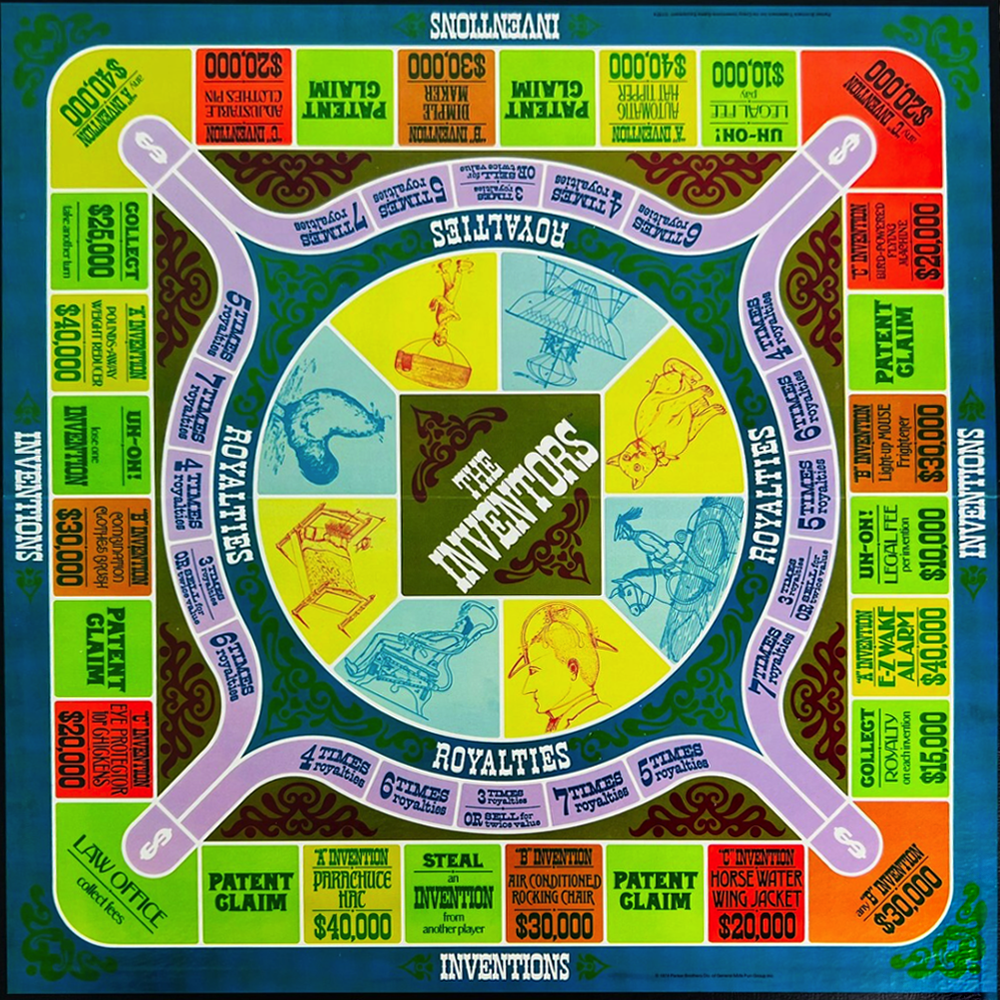
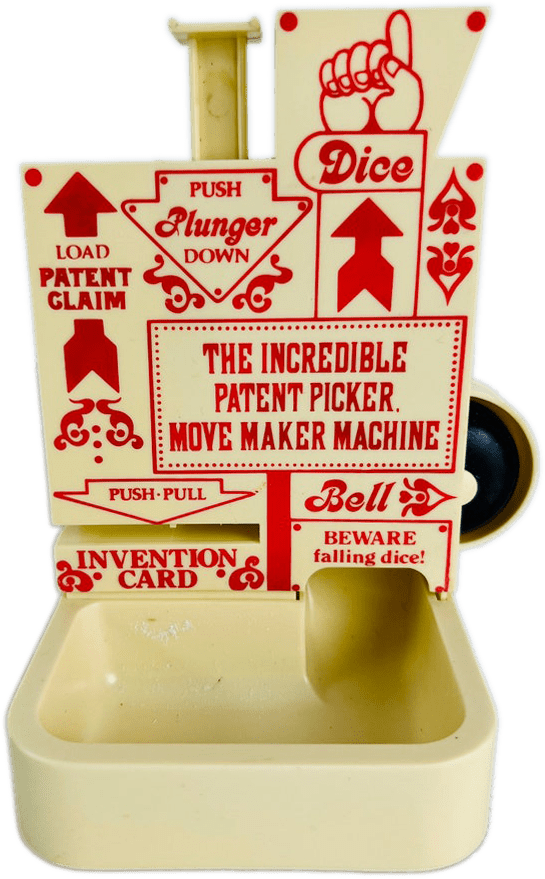
The board features a pastiche of Victorian typography and day-glo colors. It features two different tracks to circle the board, but the filigrees and other ornamentation make it seem much more complex. There are handsome cards that feature descriptions of the various inventions to be patented. But the real star of the show is the centerpiece, “the incredible patent picker, move maker machine.”
This chunky bad boy held the metal clip-on numbers that were the game’s patents, and the “push-pull” dispenser never really worked because the invention cards would bend and fray when you stuck them in. But that didn’t matter, because the real attraction was the dice chute. You placed the dice into the hopper and hit a plunger and they would roll into the tub below, all while ringing a bell.
The Inventors was designed by Jeffrey Breslow, who was a student of Marvin Glass, a powerhouse designer that has created many of the most recognizable toys of the 20th century. Breslow, working with Glass, also designed Ants in the Pants. As for The Inventors’ gameplay: meh. It vaguely resembles Monopoly in that players attempt to succeed financially by developing their properties. But for the most part it’s circling the board in parallel to one’s opponents, with perishingly few actions that directly affect the other players.
The Magnificent Race (1975)
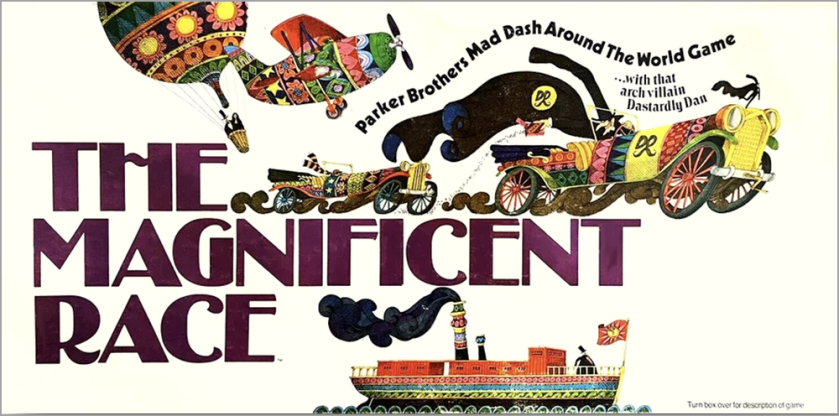
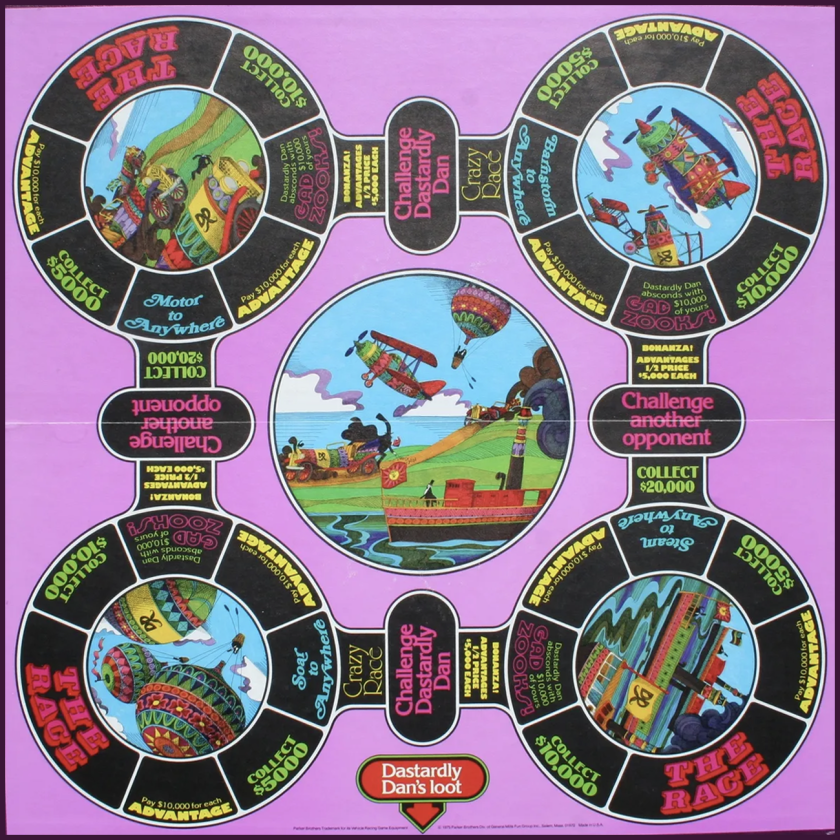
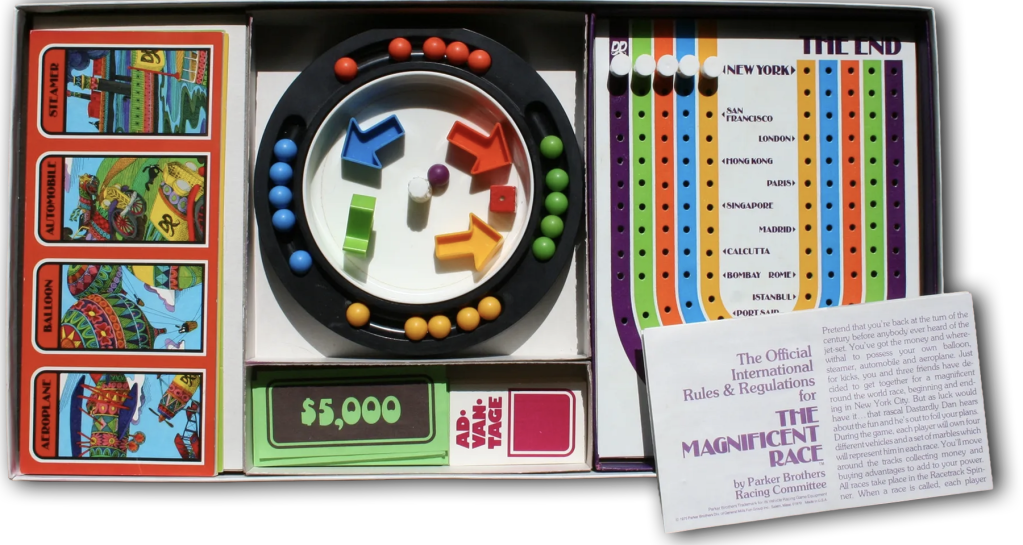
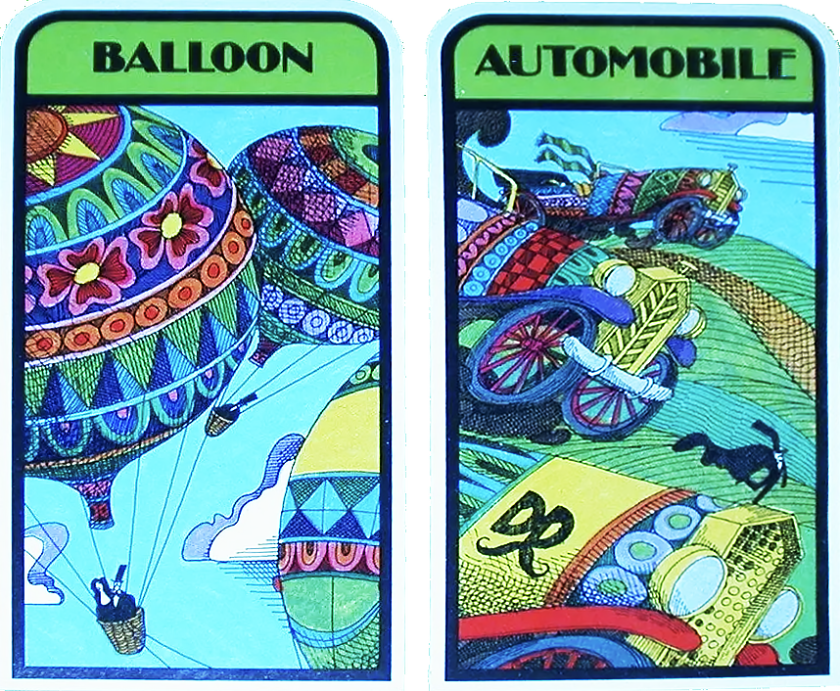
Another old-timey game, The Magnificent Race obviously takes inspiration from Jules Verne’s Around the World in 80 Days. The players must circumnavigate the globe using cars, ships, planes, and balloons. The gimmick of the game is a non-player-character (before there even were NPCs) called Dastardly Dan, represented by a purple marble, who can interfere in, and even win, the titular race.
The game’s board shares its typography, color palette, and even curvilinear forms with the Inventors’ board, and I’m pretty sure the same designer did both. One innovation to this board is the paths are not directional, and players may move their arrows in any direction. This may not seem like a particularly distinctive feature today, but it was unusual in 1975.
The components here pull out all the stops. There are big chunky arrows used as player markers, layout cards on which to place “advantages,” a pegboard to track overall progress around the world, and a spinner with colored marbles (including Dastardly Dan) that determines the winner of each of the series of small races that make up the game. Each player drops in a number of marbles based upon their advantages, the device is spun, and the first to drop into a divot near the center wins.
When everything is set up it’s pretty impressive. Fun fact: the groovy fake money for the game is printed on green and purple paper that isn’t shelf-stable. I know this because the bills in the copy I purchased for my kids many decades later crumble apart at the slightest touch.
The game was designed by Bill Cooke, who co-designed Boggle (also originally published by Parker Brothers). On his Facebook page Cooke has photos including the original schematic drawings for the spinner. But for me the real attraction is the scratchy, cartoony pen drawings, which recall some of the more elaborate designs of Milton Glaser. I would dearly love to know who the illustrator was for these.
As for the gameplay…this one’s a real let-down. All of the bells and whistles can’t hide that at its core it’s a random chase around the board. However, the spinner is a lot of fun, especially when the Dastardly Dan marble wins.
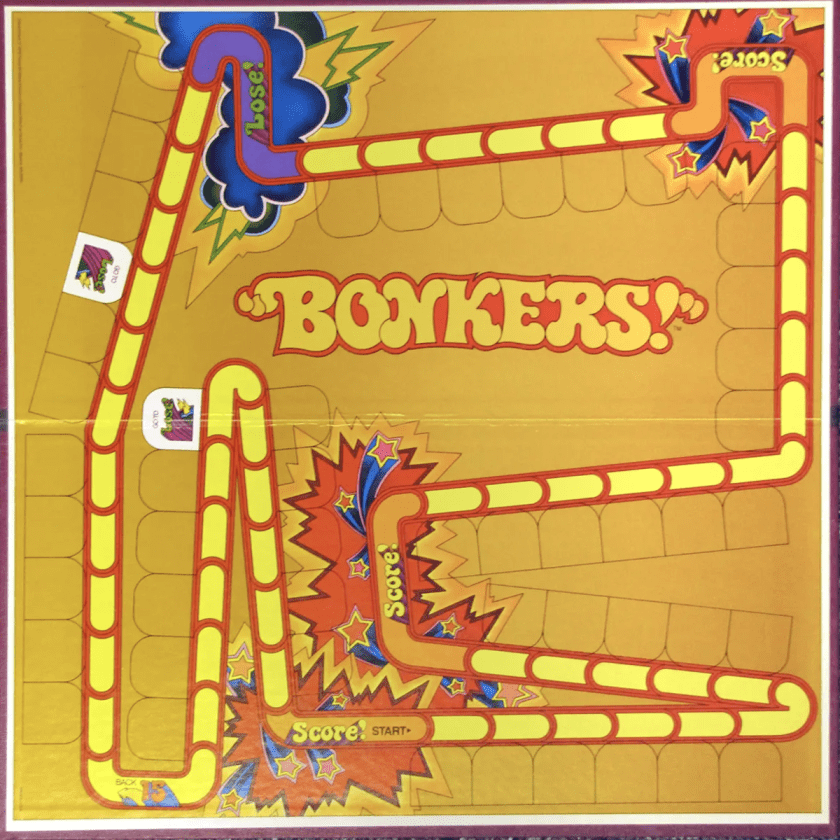
Bonkers (1978)
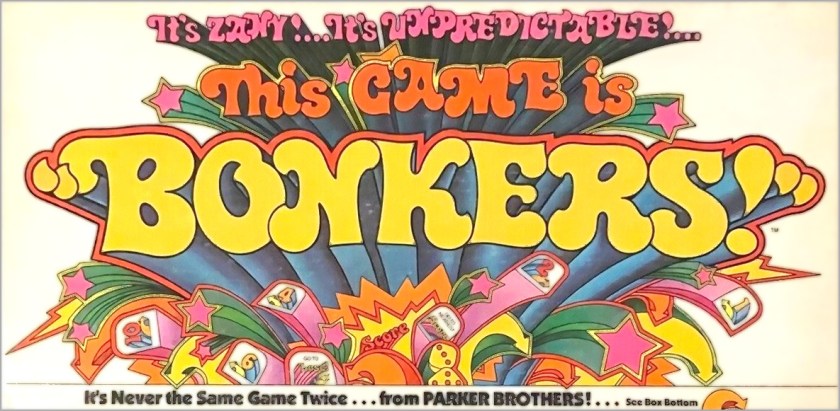
Or to refer to it by its full name as printed on the box, This Game is Bonkers. This was not a game my family owned but I played it at friends’ houses and it had an earworm-y television commercial that probably most Americans in their 50s can still sing today.
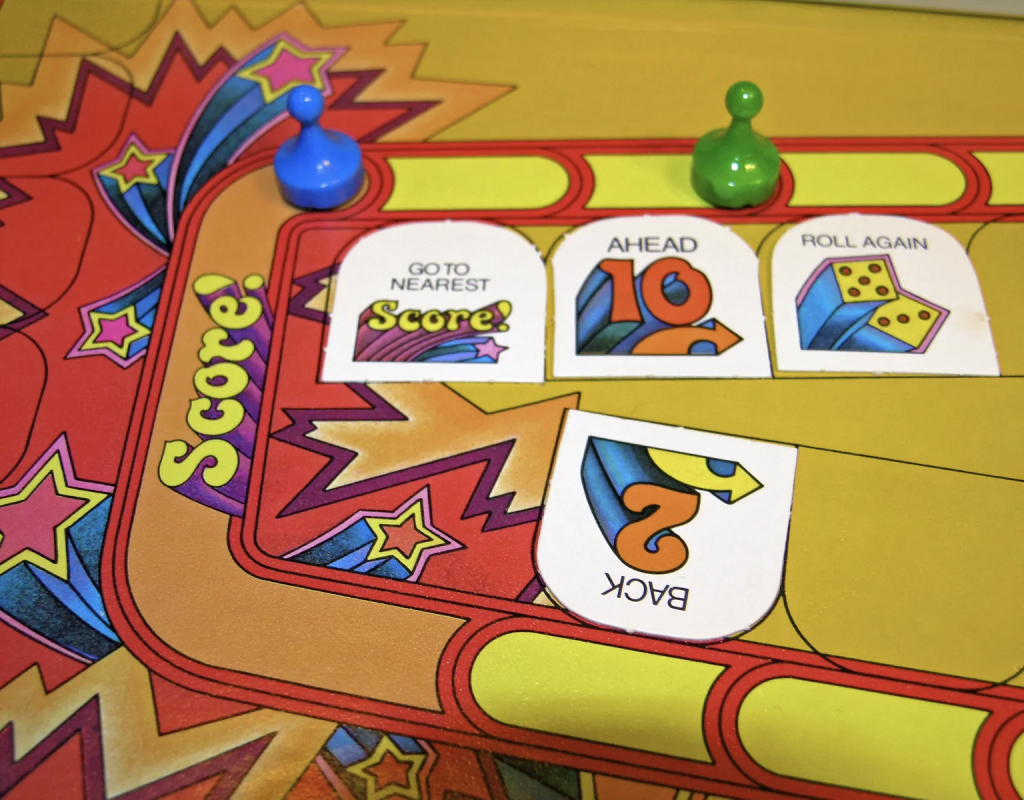
In the Bonkers graphic design Parker Brothers reached an apotheosis. For years they had been cribbing from the cheekier parts of Madison Avenue; here they went full-on Peter Max with shooting stars, lightning bolts, volumetric arrows, and exclamation points everywhere. The board starts pretty empty, but players fill in the spaces with U-shaped cards that change the flow of movement, directing tokens forwards and backwards and eventually into spaces that score or remove points.
The design couldn’t be more frenetic or bold. Unfortunately, the graphics promise a zanier time than the gameplay delivers. The mechanic of players altering the rules of the game as they go is a good one (see modern games like Fluxx), but that’s not really what’s happening here; instead, the normal clockwise race around the board is being lengthened by digressions. It’s still a fixed track. But man, does it look great.
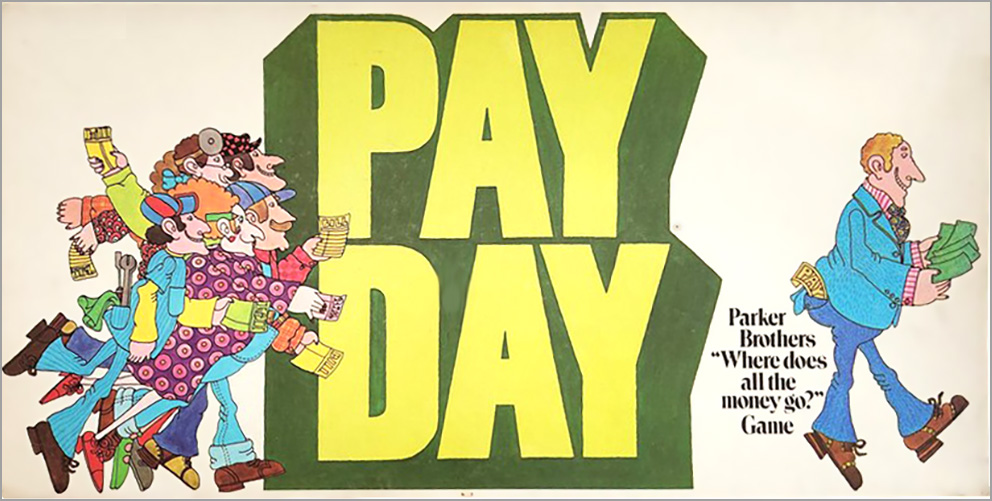
Bonkers was designed by local boy Paul J. Gruen, who lived in West Newbury, just a half-hour drive from Parker Brothers. He also designed Pay Day (1972) for Parker Brothers, another game whose original graphics had pop art origins—in this case with illustrations resembling those of Heinz Edelmann, character designer for the Beatles’ Yellow Submarine (1968).
That’s enough
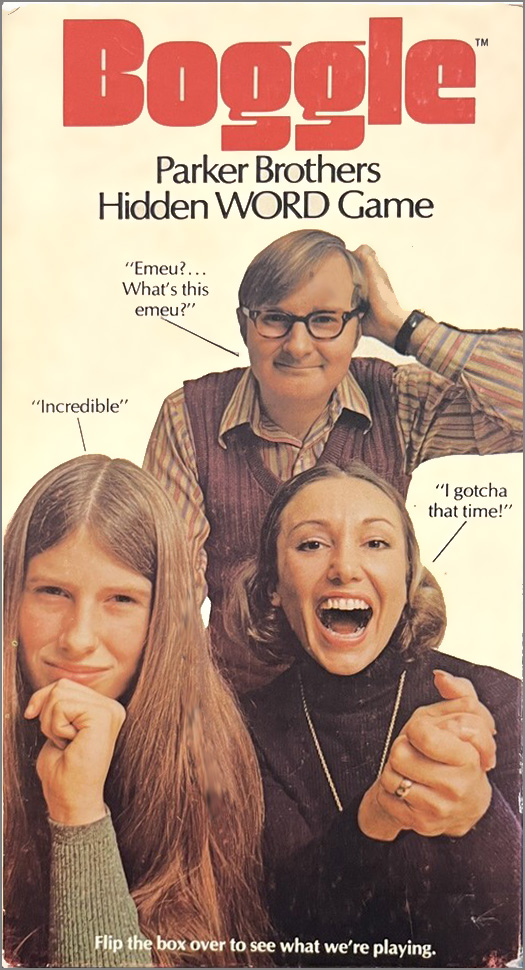
I could go on for hours, and it probably feels like I have already. There’s so many wonderful designs from this period: Vertigo (1970), Masterpiece (1970), 10-Four Good Buddy (1976), The Mad Magazine Game (1979). Even the original Boggle (1973) cover art is a crazy snapshot of a time of weird innovation: it didn’t actually feature the game2.
As the 70s ended, Parker Brothers swung heavily into electronics with toys like Merlin (1978) and their own line of cartridges for the Atari 2600. And in 1985, General Mills merged the company with Kenner, then sold it to Tonka in 1987, before everything eventually got bought up by Hasbro in 1991. But for a brief time in the 70s, Parker Brothers was the one game company that was distinctive, brassy, different. The games themselves were hit-or-miss, but the design always landed.
As an aside, I learned the version of Solitaire I knew from my mom, which was a hard-as-nails version that I have never seen anyone else play, so I don’t even know what it would be called. Years later I would learn that most kids played Klondike, which I would scoff at as a baby game. ↩︎
I suppose I should mention here that this is a comic essay and I am exaggerating for, you know, effect. I grew up in a podunk town in the middle of bupkis, so that no doubt is reflected here. If you had a cool 80s childhood that was different, then good for you.
These days the popular conception is that the 1980’s were all pink and aqua, but they were actually surprisingly brown if you lived through them. The success of Stranger Things (at least before its las season), the rise in retro synth-pop as practiced by artists like Chapell Roan, the popularity of $30 vinyl versions of albums one can stream for free, a revival of shoulder pads and denim jackets, the number of YouTube reaction videos for the Goonies—all of these point to an interest in the decade of Reagan and Thatcher that goes far beyond the nostalgia of aging Gen-Xers, and speaks to the generation of kids out there longing for a time before smart phones ruined everything. This amuses me because I am old enough to remember the 1980’s revival of the 1950’s, and even the 1970’s revival of the 1900’s, which was a pretty darn weird thing if you think of it.
Of course, when you look at the 80’s through rose-tinted (and leopard-print-framed) nostalgia glasses when you weren’t even yet alive in the 20th century, you are going to get things wrong, especially if you’re being lied to by Netflix. Correcting perceived misconceptions of the time of my youth—when nobody asked—is the most old-man thing ever, but I just turned 58, so here I go.
actually I’m Gen-X, but no one under 40 knows the difference
I. The music wasn’t that cool
I am grateful, really, that Netflix has popularized Kate Bush for the TikTok set, but the truth is back in the 1980’s no one outside of the UK was listening to her (except me, I was cool)1. I remember playing my copy of Hounds of Love for my long-suffering high school girlfriend and her declaring the record “strange” and me “weird.”
These days, when a movie or tv show is set in the 1980s, the soundtracks are all songs by Echo and the Bunnymen, Elvis Costello, etc. Likewise, Spotify playlists and Sirius radio stations would have you believe the decade’s music was entirely New Wave. But in reality, fm radio playlists were 60% Michael Jackson, 30% Madonna, and the rest was made up of Hair Bands, Yacht Rock, and Pop Country (Kenny Rodgers was very hot around 1982). College radio stations might play Punk or New Wave, but only college kids listened to college radio. Rap was still being invented at the time but it was strictly segregated.
So when a television show or movie tries to play it cool with a Post Punk/New Wave soundtrack (and yes, I’m looking at you, Stranger Things) remember that we all want to think we were cooler kids than we really were2.
II. Design wasn’t totally radical
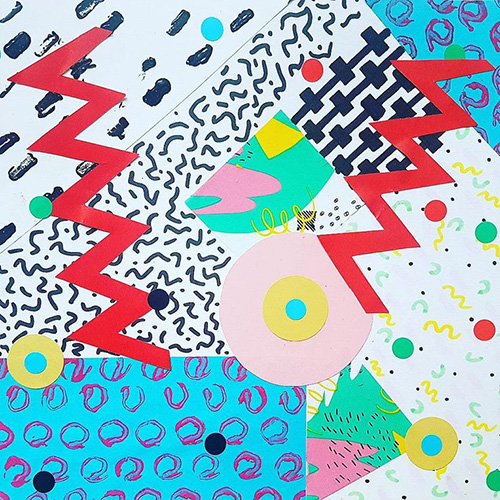
If you think of the eighties look, you probably are imagining some combination of pink, purple, aqua, and neon (“Miami Style”) or of angular floating shapes and zigzags atop backgrounds made up of repeating patterns of dot, lines, and squiggles (“Memphis Style3“). Or maybe you’re thinking of a mixture of both4. And if one is to go by the VH1 series I ♥ the 80’s, your conception would be true. But the truth is these styles were entirely the domain of MTV bumpers and overpriced boutiques that sold earrings made from shards of broken CDs5.
Miami style
Memphis style
In reality, most design in the 80s was inherited from the 70s, which means a lot of browns and yellows, denim and tee shirts. It was the design of strip malls, K-marts, and ranch houses—but not cool mid-century ranch houses, cheap 70’s ranch houses with a lot of lucite. It was the age of particle board and the plastic shopping bag and those little springy doorstops that got all bent and never worked.
III. Punks weren’t everywhere
I was going to write a bit here about how in the 1980s it was de rigueur for crowd scenes in movies to feature a punk rocker with eyeliner and an enormous hairspray mohawk, or even violent gangs of these exotic creatures robbing convenience stores and fighting zombies, but it turns out that somebody else already wrote that better than I would.
I will add that punk culture was definitely a thing, but as a movement it was a lot less flashy, and more insular, and largely kept to itself. My wife had a punk era in her teens and she’s super cool. Real punk culture was rich in vernacular style and a DIY ethos. But mainstream America found punks to be scary and local news stories blamed them for everything that was wrong in society, and so fake, threatening punks were everywhere in movies and tv.
Also, valley-speak was entirely made up for that one Frank Zappa song.
IV. It was something of a hellscape
Look, I’m nostalgic for my childhood just like everyone else. I love my original 1980 Rubik’s Cube for which I still the original Ideal6-branded plastic case. But the 80s were not a good time to be alive if you were a woman, or black, or queer, or any combination of those. It was the decade when the Hippies made way for the Yuppies, and we elected a senile, jelly bean eating, horoscope believing B-movie actor who ruined everything. The myth of the Welfare Queen upset the squares so much that they tore apart the intricate support systems that fed starving children. Even as the Cold War was winding down, the U.S. couldn’t keep its imperialist hands out of Central America. Also, He-Man and the Masters of the Universe was an objectively awful cartoon.
This all may sound like a lot of complaints from a cranky old dude, but my motives are pure. I am a pathologically nostalgic person (just look at my tag cloud), but I am also aware of the toxic nature of nostalgia. As kids, my generation were brought up being told about the wondrous world of Boomer culture, of how everything was peace and love and drugs and sexual liberation and how each and every one of them had attended both Woodstock and Altamont. And how much the music today sucked, and how lazy and cynical the kids were. And I was determined that when I was older I would never let my own nostalgia cloud my memory, and I would not think that my childhood was more special and magical because I grew up when I did.
Now let me tell you why Talking Heads was the greatest band ever.
She was huge in the UK, which is one way they’re better than us. ↩︎
Except, of course, for me with my Laurie Anderson and my wife with her Smiths. ↩︎
Which originated in Milan, Italy, although it was named after Memphis, Tennessee, by way of a Bob Dylan song. Look, the 80s didn’t really make sense. ↩︎